
Intro
All forms of family mediation (or family dispute resolution as it’s more formally known) are framed around the best interests of the child(ren) impacted. This isn’t just a philosophical stance, it is enshrined in law as part of the Family Law act (1975.)
This means that the underlying purpose of family mediation is to ensure the needs, and best interests of the children are met.
With the above in mind it is very easy to argue that children need to have their thoughts, ideas, and wishes ‘heard’ as part of the family mediation process.
For younger children this means the adult parties must focus on what is agreed to be the children’ s best interests. For older children it can mean actually having their expressed thoughts, needs, and wishes actually included in mediation.
In recognising the best interests of the child it is important to acknowledge that during separation and divorce there can be profoundly negative impacts on a child’s emotional wellbeing. Counselling during this challenging time can have significant benefits and the potential to have a positive flow on impact for mediated outcomes around family life.

How Separation Affects Children?
Separation can have an enormous impact on children in a number of ways. There can be significant changes in behaviour, emotional wellbeing, perceptions of the world, physical health, dietary and sleeping habits, learning behaviours… In fact any aspect of life and how the child ’is.’
These impacts can be short or long term, randomised, changeable, and dramatic.
With this in mind having the appropriate support in place, and handling the separation process effectively and wisely, are essential.
Why Keeping Children Out of the Conflict Matters?
One important parenting consideration is ensuring children are not privy to significant conflict between the parents. Children need to see disagreements and how these are resolved effectively however witnessing significant, out of control conflict is harmful. Children are not small adults! They are children who are developing and vulnerable. Being privy to, or part of, significant parental conflict has been proven time and again to be damaging.
When decisions have been made and parents decide to separate it is important that this isn’t used as an excuse to escalate conflict and/or expose children to it. Also crucial is ensuring that regardless of your feelings towards your ex you don’t voice that anger or upset to impressionable young minds.

What Is Child-Inclusive Mediation?
This form of mediation is very powerful. It is best suited to those with older children who feel able to adequately articulate their thoughts and feelings.
Firstly, it’s important to point out that the children impacted by the parental split are not attending mediation. Rather, their viewpoint is gained through them engaging with a child or family practitioner or social worker. These specialists can spend time meeting with the children and getting to know who they are, what they value, how they see the world, and what they believe their future should look like.
This indepth information is then compiled into a report which is then presented by the practitioner to the mediation.
In effect the report helps frame the mediation. Rather than parents being speculative about their children’s needs they actually have some hard data to utilise.
The children have been heard and what they have contributed underpinned the mediation.
How Mediation Protects Children During Separation?
Child-Focused Parenting Arrangements
It is important to remember that all family mediation is undertaken on the premise that it is seeking to reach agreement around provision for meeting the best interests of the children. A significant part of the family mediator’s role is to ensure that a constant focus on this concept is maintained throughout the process. Adult issues between parties are not given any time, rather they are left at the door. All that matters is creating a plan or agreement that serves the children best.

Child-Inclusive Practice: Hearing Your Child’s Voice
Every effort is made to ensure the children are ‘heard.’ This may mean the use of a family report, parties discussing their perceptions of the children’s needs, discussion around the strengths of children impacted and thoughts on the future.
Family mediators are constantly looking for avenues by which the voice of the children can be included in mediation. They want the parents to see that the children are their own people, have their own hopes and dreams, and have the right to be heard in processes and decisions that have an impact on them.
How Counselling Supports Children Through Change
Helping Children Process Their Emotions
When children present to counselling they do so because they are dealing with their emotions and the reactions they’re having to life events. Counsellors support children to better understand their emotions, recognise why they feel the way they do, and to help them to process and manage their emotions appropriately.
Building Coping Skills and Resilience
Coupled with the above, and especially so in dealing with child clients, counsellors help to build resilience, capacity to manage emotions, and strategies for doing so. These fundamentals underpin counselling with children and young people and are the two pathways most important to ensuring child clients are empowered to maintain positive mental health and wellbeing.
Counselling and Mediation Together: A Calmer Path for the Whole Family
Engaging in both processes can be extremely beneficial for those going through a separation and divorce. Counselling helps ensure increased stability with the families emotional state and can help develop skills for coping and best dealing with the current challenges. This then supports improved mediation outcomes and an improved parenting relationship going forward. Engaging in both processes simultaneously often occurs and it’s important for clients to recognise that the better equipped you are to deal with the emotional load of divorce the better the long term outcomes for the split family will be.
Tips for Supporting Your Child Through Separation
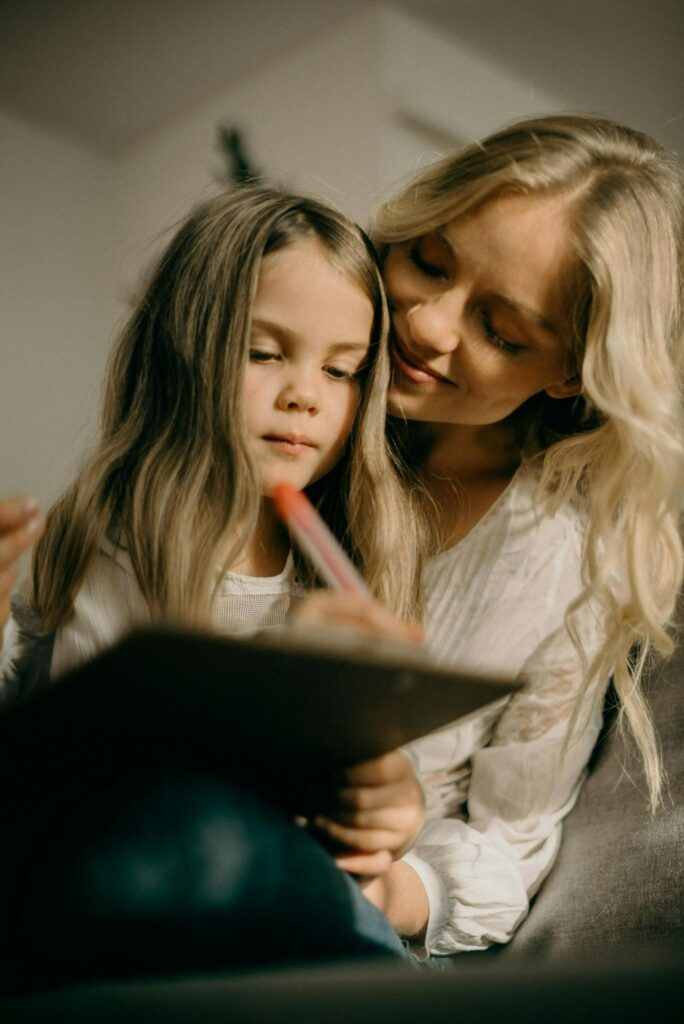
Make sure there’s lots of listening and talking in the home. Let your kids know they can show their feelings and come and talk with you at any time about whatever thoughts or concerns they may have. Speak positively about the future and the new normal that will be established and be positive about the parenting skills your ex has. Emphasise the ongoing parenting relationship and how both parents love the children more than anything else in the world.
Seek out support from professionals so your children know they have someone special they can talk to and let school know what the family is going through.
Put Your Child’s Wellbeing First With Resolutions Australia
Resolutions Australia are perfectly positioned to support families during their most challenging times. With our online models of mediation and counselling, coupled with experience and expertise in both fields, we’re able to understand the entirety of the challenges faced and thus support you and the children in a targeted, professional manner. If you want to protect your children from conflict and build a calmer co-parenting future, get in touch. We’ll help you and your family take the next step together.

FAQs
What is child-inclusive mediation?
Child inclusive mediation is mediation that includes input from the children impacted into the mediation. This can be done via a report prepared by a child and family practitioner or direct input from a teenager who feels comfortable to share.
How does separation affect children?
Separation then divorce can have profound psychological impacts on children. It can damage their conceptual frameworks around such bedrock ideas as family, love, parents, security etc. It can trigger trauma based responses and long term PTSD. These can then be coupled with feelings of confusion, conflicted emotions, fear, and anger… the list of negatives is a long one!
Is child-inclusive mediation the same as counselling?
No. These are very different. Mediation is seeking to resolve issues between parties. While this can have a therapeutic element it is not designed to address mental health and wellbeing concerned. Counselling is an individualised therapeutic response to mental health based issues. While this may involve strategies to resolve problems it is more likely to lean into self-care, building emotional capacity, and developing strategies for dealing with wellbeing concerns.
Should my child see a counsellor during separation?
Separation and divorce have the potential to be the most significant traumatic in a child’s life. During this changing family state, with heightened negative emotions, and outcomes that children are likely not prepared for, it is certainly advisable that all parties engage in mental health and wellbeing support! Counsellors are there to help you navigate life’s challenges effectively. They offer perspective, ideas, help you develop coping skills and build resilience. What parent wouldn’t want their child to receive this support during what is a profoundly difficult time in their lives!?
How can I help my child cope with divorce?
Talk, talk often, and talk deeply. Find professional support for your child so they know they have help available. Emphasise that the process is a challenge, that parents will help to keep the child going. Show love and affection, ensure your child is rested and well fed, and emphasise that even if the husband/wife part of life is changing the mum/dad part isn’t. And keep any direct conflict away from the kids! Calmly let the children know that disagreements may happen, they’re opportunities to learn and problem solve, and do not ever denigrate your ex within earshot of the children!
